

This International Women’s Day, we celebrate the incredible strength and resilience of women around the world. It’s a day to honor individuality and the unique qualities that make each of us extraordinary. When it comes to fitness, women possess distinct biological characteristics that shape how their bodies respond to exercise, recovery, and overall health. By understanding these differences, we can empower both women and men to approach fitness in ways that optimize their results and reduce risks of injury.
Kinesiology, the science of human movement, plays a crucial role in bridging the gap between biological differences and individualized fitness goals. Whether you aim to gain strength, improve endurance, or recover from an injury, personalized fitness plans can help you reach your potential in the safest and most effective way possible.
Here’s how men and women differ biologically when it comes to fitness, what considerations to keep in mind, and how kinesiology can guide you to success.
Key Biological Differences Between Men and Women
1. Muscle Mass and Strength
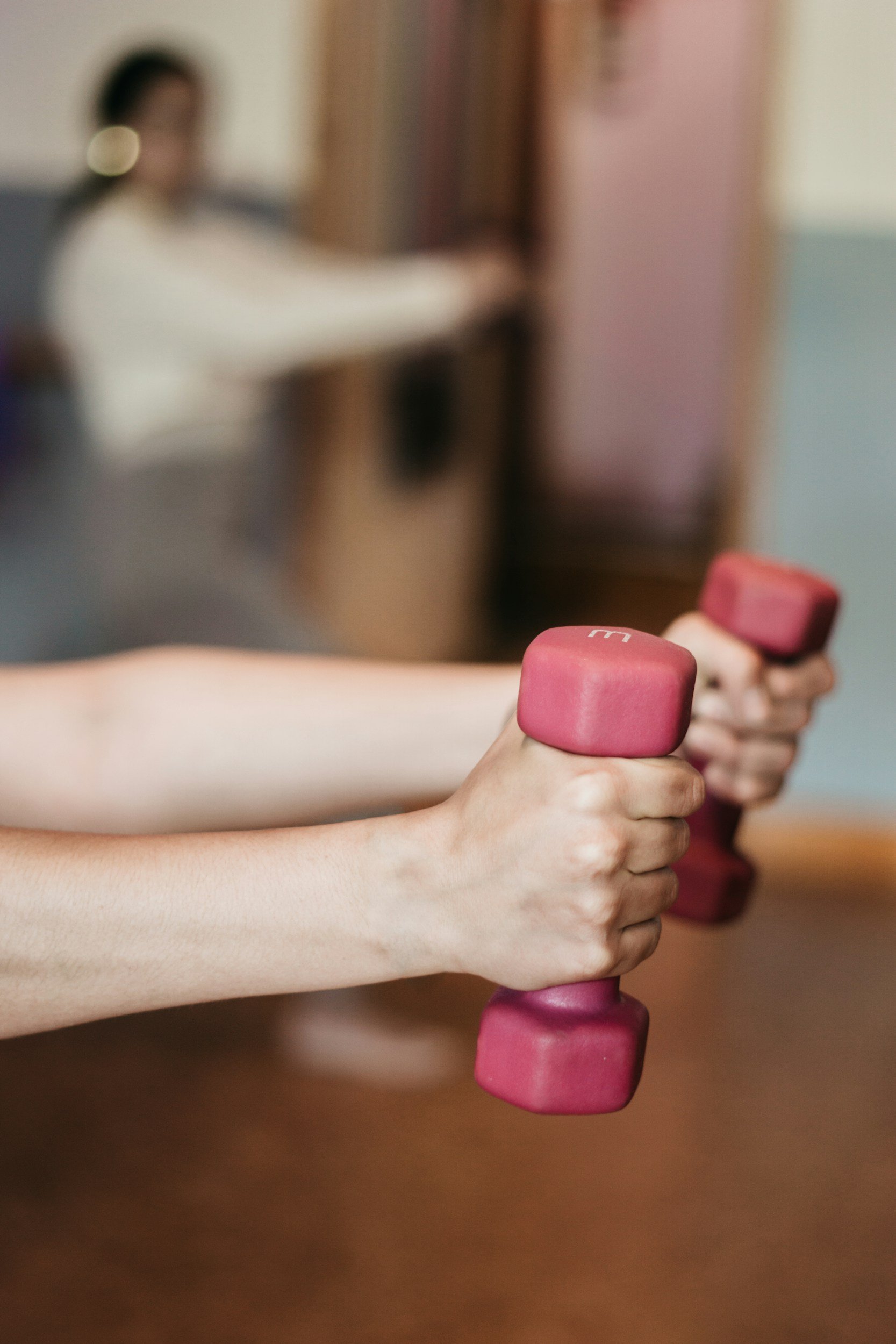
Muscle Mass & Strength
Among the most well-known distinctions is the difference in muscle mass. Men typically have higher testosterone levels, the hormone responsible for muscle growth and repair. This explains why men often gain strength more quickly in resistance training.
Women, on the other hand, have higher estrogen levels, which support fat storage in areas like the hips and thighs while limiting muscle bulk. However, this doesn’t mean women can’t excel in strength training. Instead, women often thrive in endurance-focused activities, thanks to their ability to efficiently store energy for prolonged exercise.
Fitness Consideration:
Men might see quicker muscle gains, but both men and women benefit from strength training as part of a balanced routine. Women, in particular, may prefer strength-building regimens that focus on toning and long-term functional strength. A kinesiologist can create a tailored program to fit these unique needs.
2. Hormonal Cycles and Energy Levels
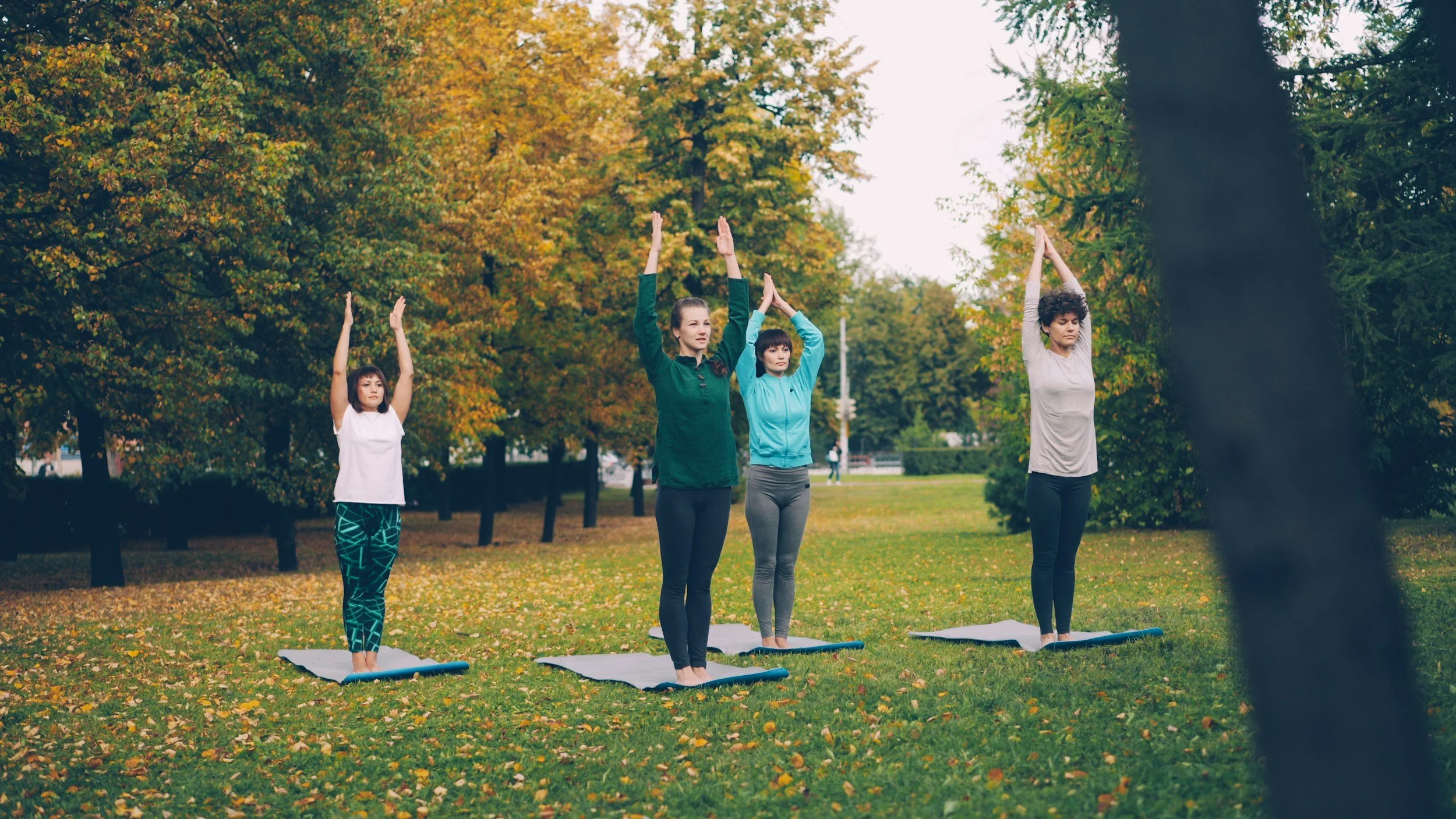
Hormonal Cycles & Energy Levels
Women experience fluctuating hormone levels throughout their menstrual cycles. During the follicular phase (typically days 1–14), energy levels tend to be higher, and strength training may feel more effective. The luteal phase (days 15–28), however, is often marked by increased fatigue and a heightened need for rest and recovery.
Men, in contrast, experience steadier testosterone levels, providing a more consistent energy profile over time.
Fitness Consideration:
By syncing exercise routines with their menstrual cycles, women can address energy variations and optimize their performance. For instance, scheduling strength or high-intensity workouts during peak energy days and lighter, restorative activities during lower-energy phases can make workouts feel more manageable. Kinesiologists can guide women in adjusting their fitness plans to align with these hormonal rhythms, ensuring better results and reduced risk of overtraining.
3. Risk of Injuries and Recovery Differences
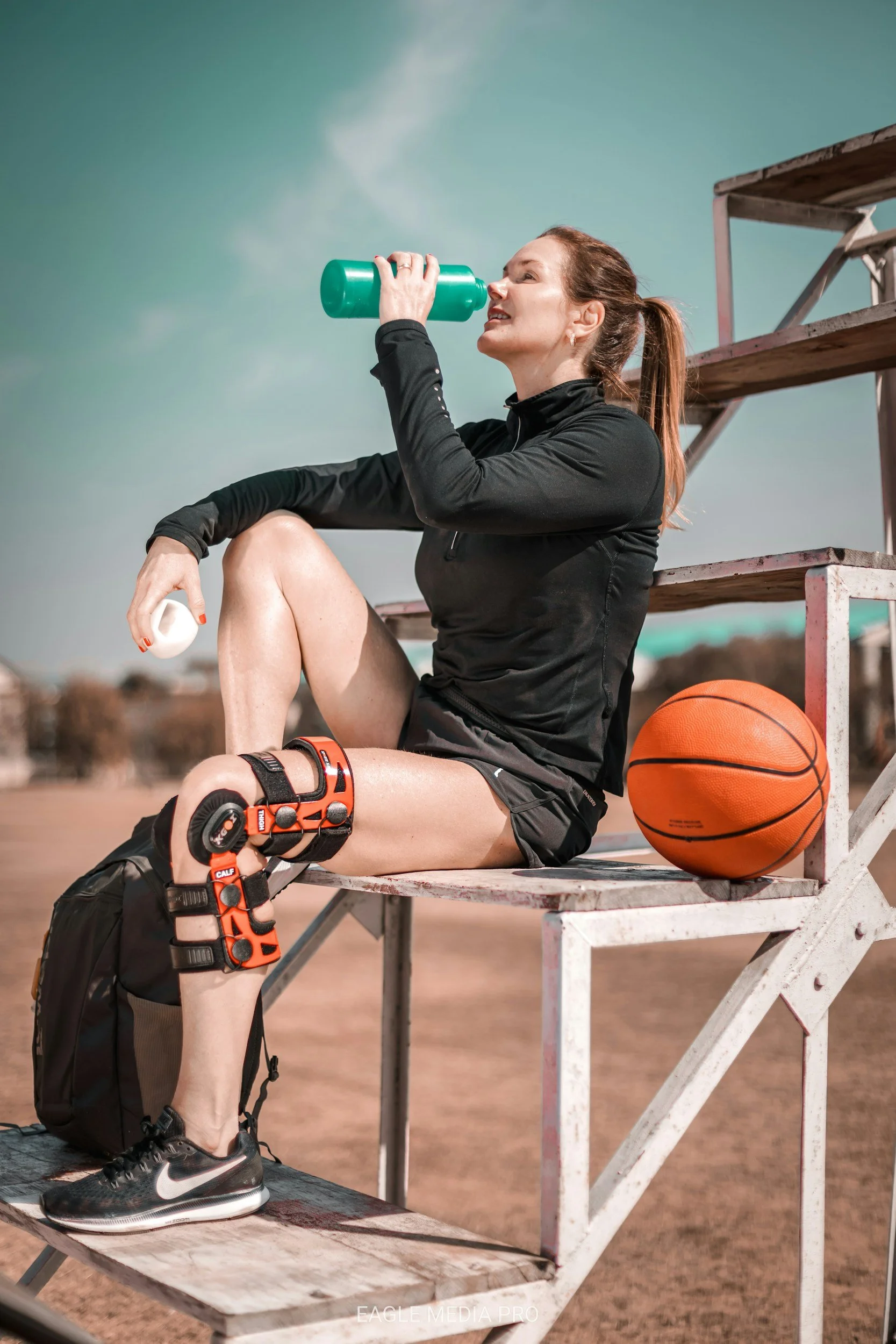
Key Differences
Women are more prone to certain types of injuries, such as ACL tears, partly due to anatomical differences like wider hips, which can affect joint alignment and stability. Men, while generally less susceptible to such injuries, may experience muscle strains or tears, often because of insufficient focus on flexibility and mobility during training.
Recovery also varies between genders. Women typically recover faster from endurance-oriented workouts, likely due to their reliance on fat as a primary energy source. Men, with their additional muscle mass, may recover more quickly from short, high-intensity efforts.
Fitness Consideration:
Preventing injuries is key to long-term success. Women may benefit from exercises that enhance stability and alignment, particularly in the hips and knees. Men can focus on incorporating stretching and flexibility work into their training. Kinesiologists specialize in creating preventative and corrective exercise strategies that minimize risks and promote recovery for both men and women.
How Kinesiology Customizes Fitness Plans
Kinesiology takes a tailored approach to fitness by combining science, assessment, and functional movement. Here’s how this expertise improves fitness for men and women alike.
Functional Assessments for Unique Needs
Before creating a plan, kinesiologists evaluate muscle imbalances, movement patterns, and flexibility. These assessments help identify gender-specific needs, such as addressing weaker hip stability in women or improving mobility in men.
Personalized Training Plans
With the data from functional assessments, kinesiologists craft individualized fitness programs. These plans combine strength, conditioning, and functional exercises to maximize results:
Women may focus on improving knee stability and endurance.
Men may emphasize flexibility exercises alongside strength training.
Ongoing Support and Adjustments
Fitness is a dynamic, evolving process, and kinesiologists continually monitor progress, making adjustments as the body adapts. This ensures that fitness goals are met safely and effectively.
Why Personalized Fitness Matters
Tailoring fitness plans to individual biology offers numerous benefits:
Faster progress: Exercise plans that align with your body’s needs maximize efficiency.
Reduced injury risk: Addressing areas of imbalance or instability prevents common injuries.
Enhanced recovery: Workouts that respect your body’s natural rhythms promote faster recovery and long-term success.
Kinesiology empowers men and women to understand their bodies better, equipping them with the tools to stay active, strong, and confident.
Take the Next Step with West Coast Kinesiology + Physiotherapy
On this International Women’s Day, celebrate your unique strengths by prioritizing your health and fitness. At West Coast Kinesiology + Physiotherapy, we’re here to support your goals with professional kinesiologists who specialize in crafting personalized fitness plans that honor your body’s needs.
Whether you want to build strength, enhance flexibility, or prevent injuries, our team is ready to help you unlock your full potential. Contact us today to schedule an assessment and take the first step toward becoming the strongest, healthiest version of yourself.