

Why Weak Glutes Cause Hip and Knee Pain—and How to Strengthen Them
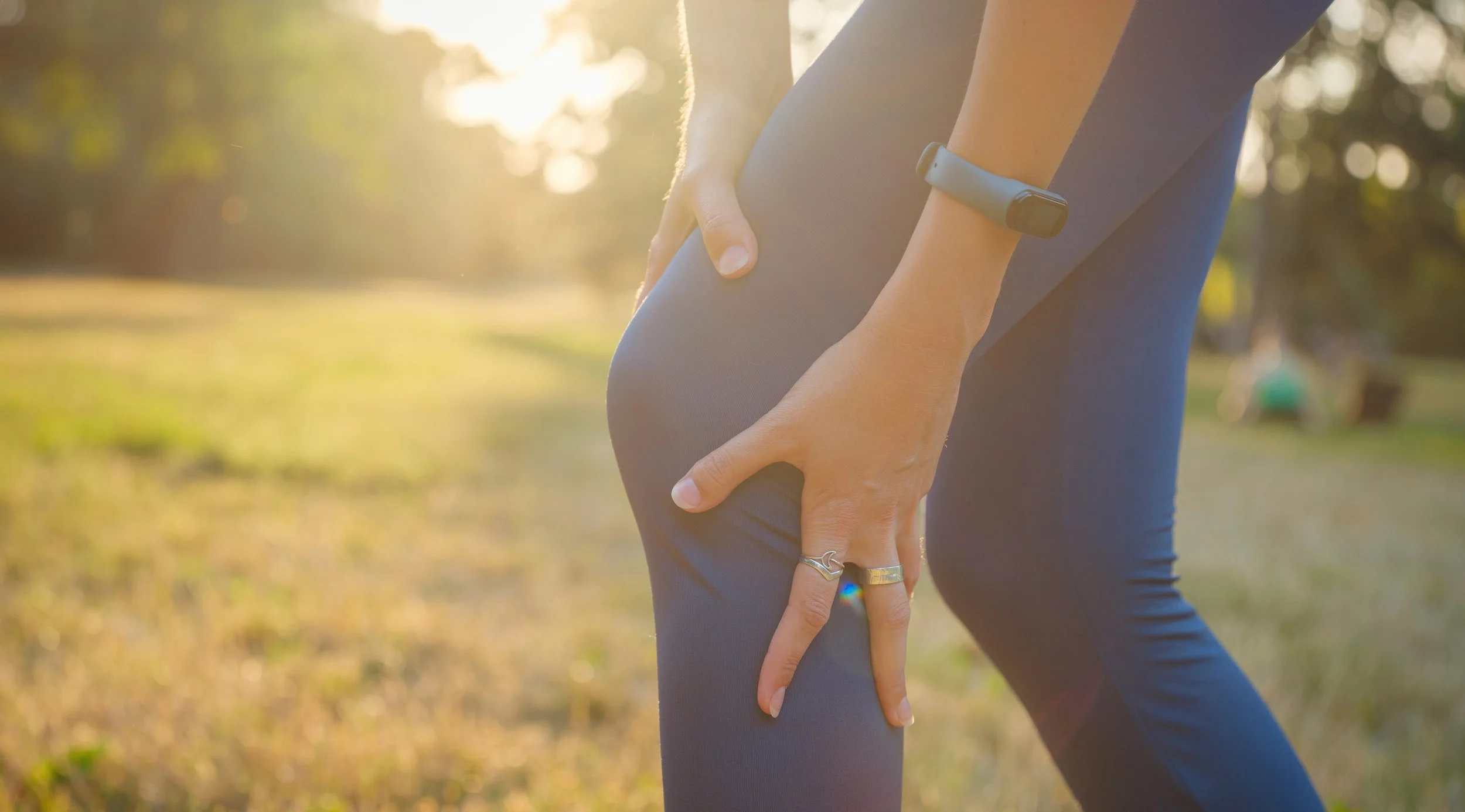
When it comes to staying active, the health of your hips and knees plays a crucial role. However, many people experience discomfort or pain in these areas, often without realizing the root cause. Weak glutes can be a major contributor to hip and knee pain, affecting not only the way you move but also your overall quality of life. The good news? With targeted strengthening exercises and professional support, you can address the issue and restore optimal movement.
Understanding the Role of Your Glutes
Your glutes (gluteal muscles) are a group of three muscles located in your buttocks. These muscles include the gluteus maximus, gluteus medius, and gluteus minimus. Together, they play a critical role in stabilizing your pelvis, supporting hip movement, and providing power for walking, running, and climbing stairs.
When these muscles are weak or underutilized, it can lead to imbalances and improper loading in your lower body. This, in turn, increases the strain on your hips and knees, leading to pain and potential injury over time.
How Weak Glutes Contribute to Hip and Knee Pain
Pelvic Instability
Weak glutes can result in poor pelvic alignment and stability. For example, when the gluteus medius (a key stabilizer) is weak, one side of your pelvis may drop while walking or running, causing undue stress on your hip joints.Knee Valgus (Knee Caving)
Weak glutes, particularly the gluteus medius, can cause inward knee collapse during activities like squatting or jumping. This movement pattern, known as "knee valgus," places excessive pressure on structures like the knee joint, tendons, and ligaments.Compensatory Muscle Use
When your glutes don’t fire properly, other muscles (like your lower back or hamstrings) take over to compensate. Over time, this can lead to tightness, imbalances, and pain in surrounding areas, including the hips and knees.
Signs Your Glutes Might Be Weak
Not sure if weak glutes are the cause of your discomfort? Here are some common signs to watch for:
A flat or underdeveloped buttocks appearance
Difficulty maintaining balance during single-leg exercises
Knees caving inward during squats or lunges
Hip or lower back pain after walking or running
Feeling your hamstrings or quads working excessively during glute-targeted exercises
If you recognize any of these symptoms, it may be time to give your glutes some extra attention.
How to Strengthen Your Glutes
Strengthening your gluteal muscles can reduce pain, improve movement patterns, and enhance performance in daily activities. Here are some effective exercises to include in your routine:
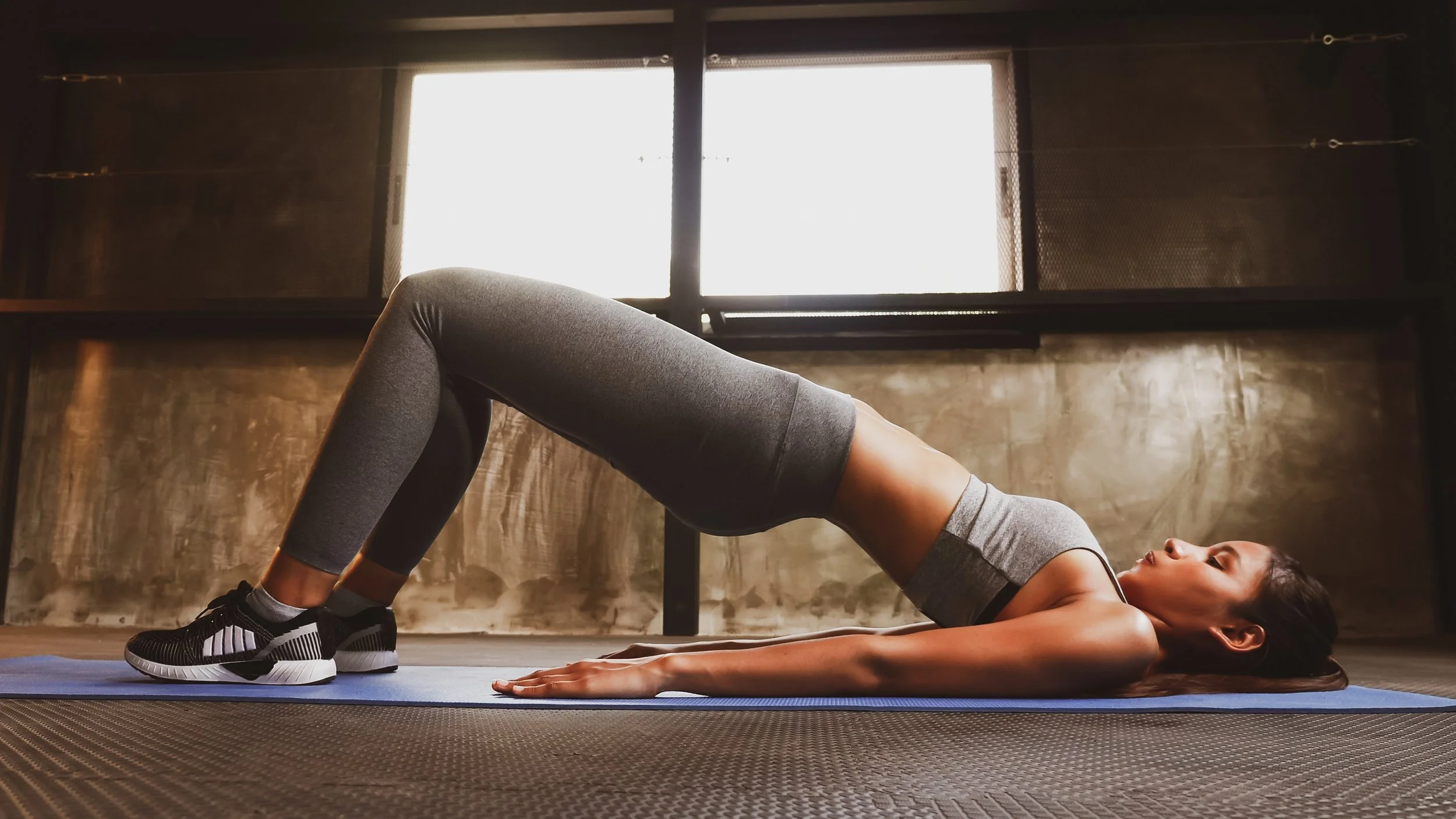
1. Glute Bridges
How to do it: Lie on your back with your knees bent and feet flat on the floor. Push through your heels to lift your hips off the ground and squeeze your glutes at the top. Lower back down and repeat.
Benefits: Engages and strengthens the gluteus maximus while promoting hip extension.
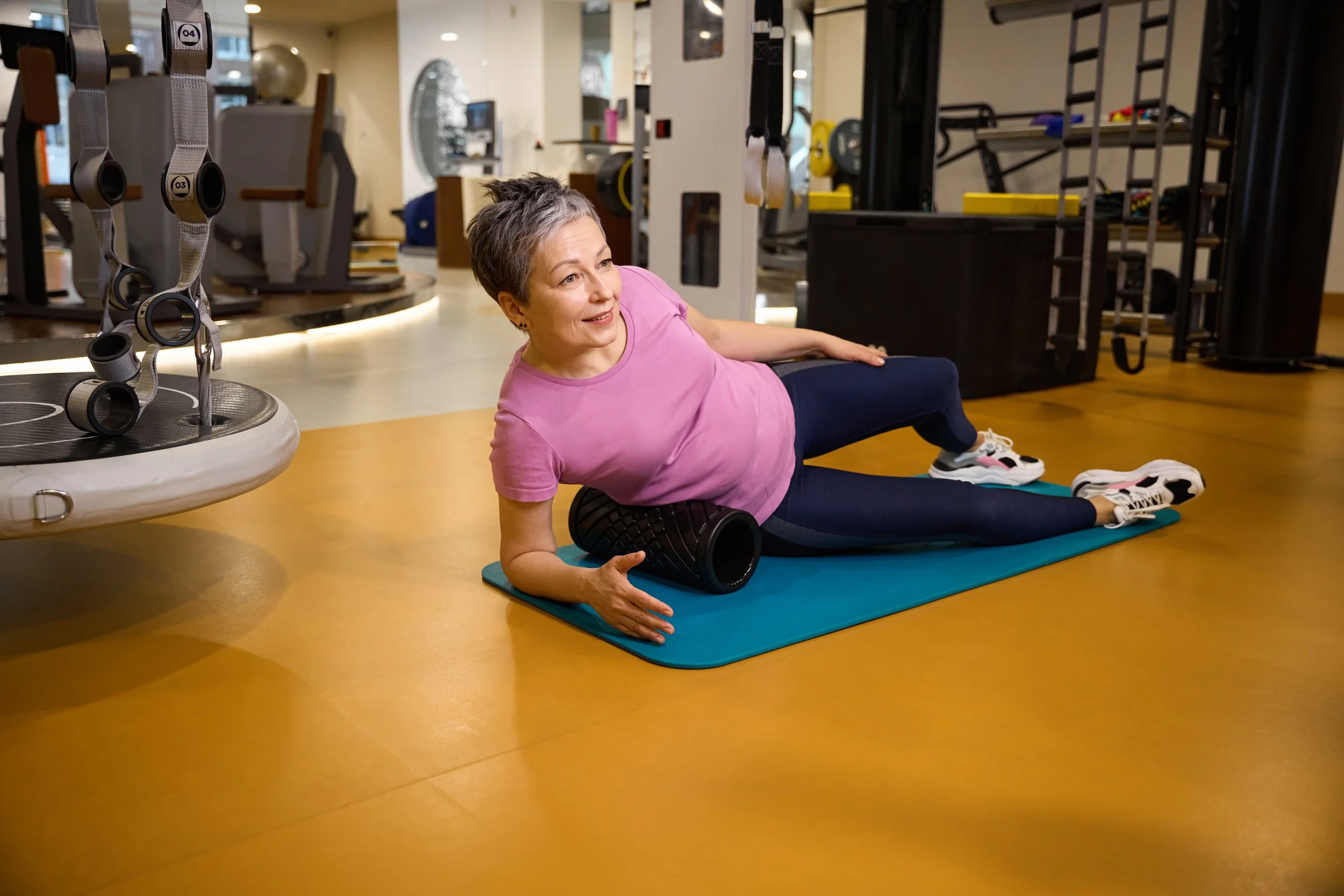
2. Clamshells
How to do it: Lie on your side with knees bent, keeping your feet together. Open your top knee towards the ceiling while keeping your feet touching, then return to the start position. Add a resistance band around your thighs for added intensity.
Benefits: Strengthens the gluteus medius, improving pelvic stability.
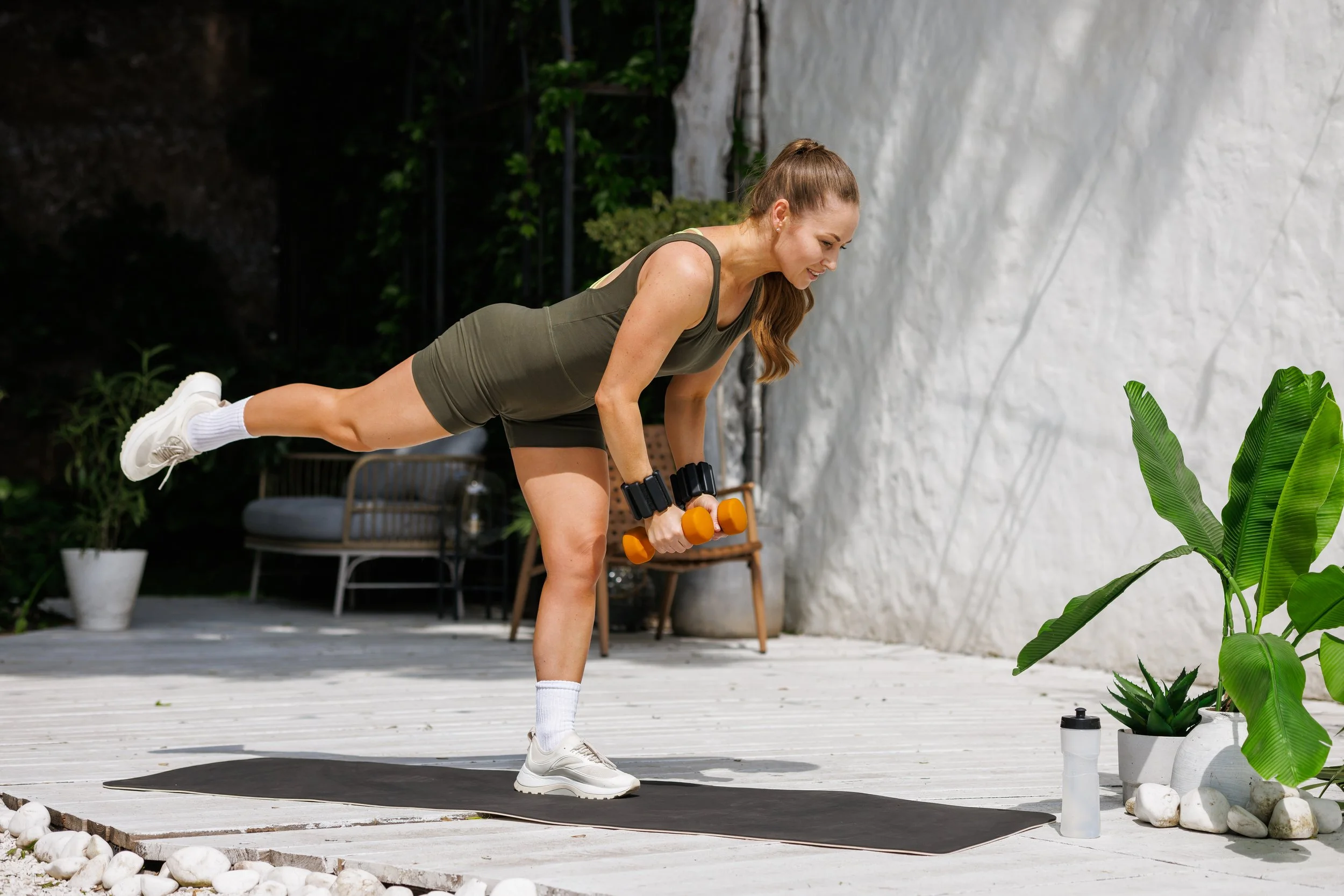
3. Single-Leg Deadlifts
How to do it: Stand on one leg and hinge at your hips, lowering your torso forward while reaching your opposite leg back. Return to standing by engaging your glutes and core.
Benefits: Improves balance and works the glutes, hamstrings, and core.
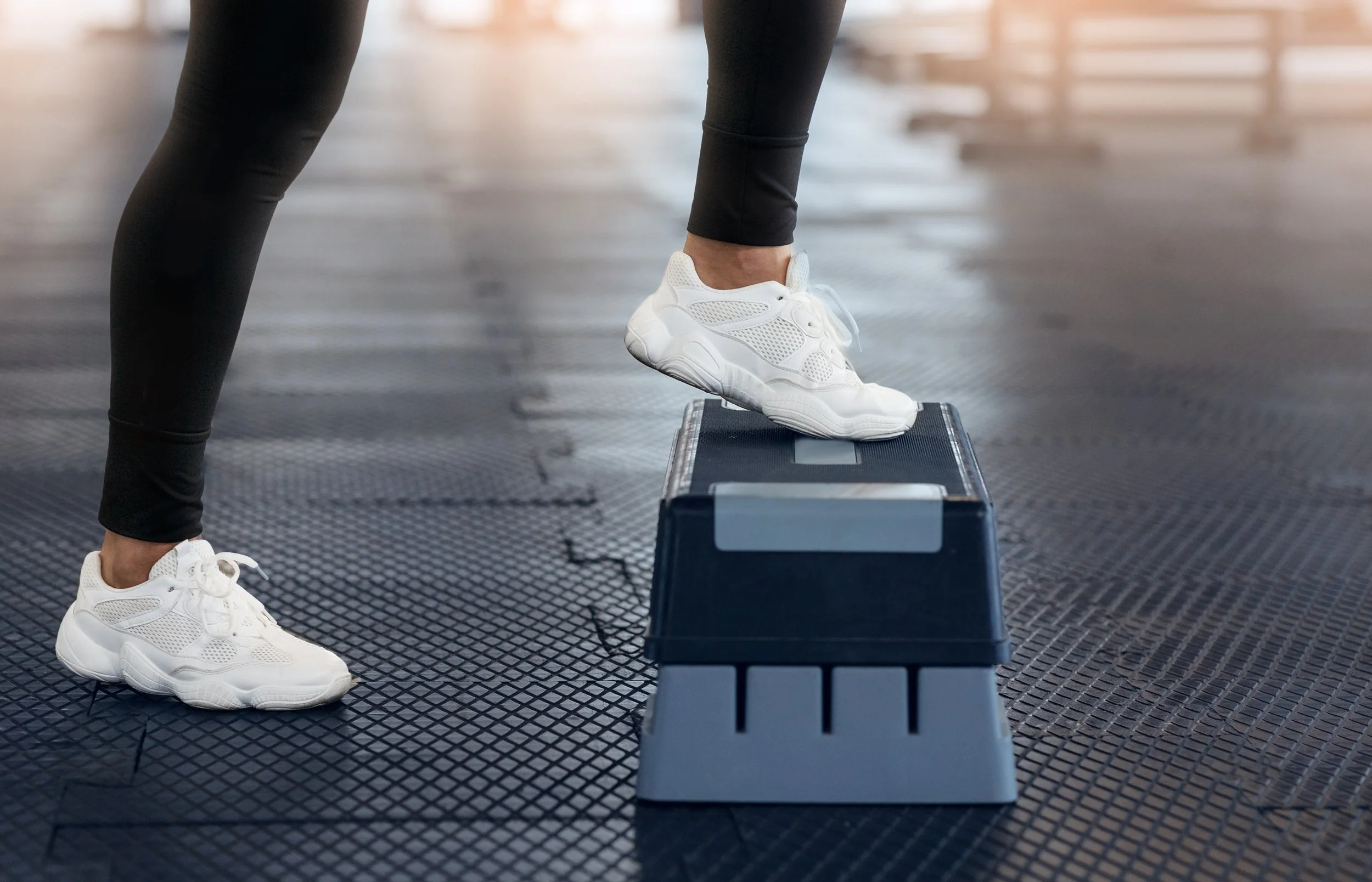
4. Step-Ups
How to do it: Step onto a sturdy bench or box, driving through your heel as you stand tall on the elevated surface. Lower down with control and alternate legs.
Benefits: Targets the glutes, quads, and stabilizing muscles around the hips and knees.
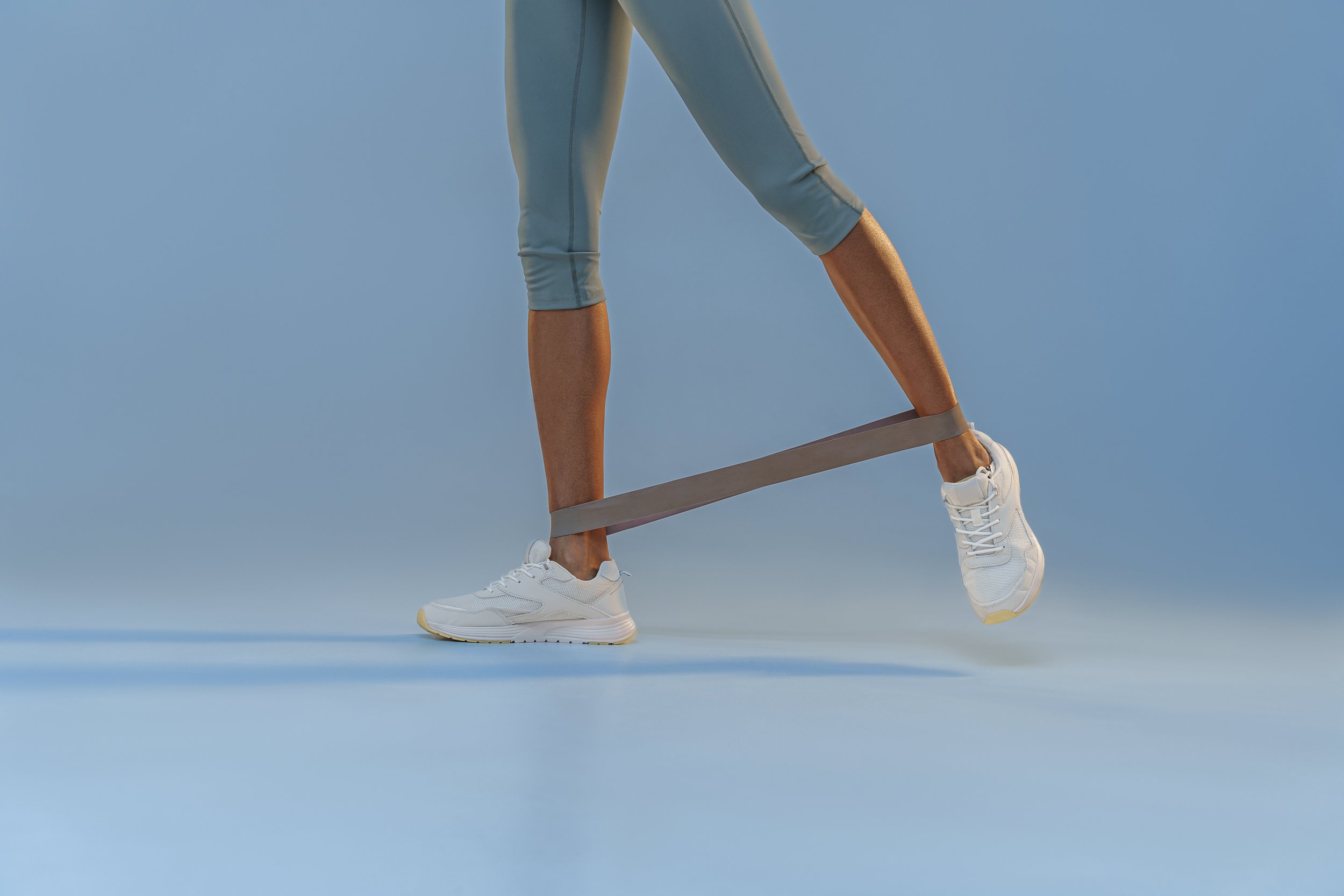
5. Lateral Band Walks
How to do it: Place a resistance band around your thighs or ankles and take small steps side-to-side, keeping tension on the band. Bend your knees slightly and maintain an athletic posture.
Benefits: Builds gluteal strength and improves hip stability.
Consistency is key when it comes to strengthening exercises. Aim to perform these movements 2–3 times per week, gradually increasing resistance or repetitions as you build strength.
Why Work with a Kinesiologist?
While incorporating glute-focused exercises into your routine is a fantastic step, working with a trained professional like a kinesiologist can take your progress to the next level. Kinesiologists are movement specialists who assess and address imbalances in your body to prevent pain and injuries.
How West Coast Kinesiology Can Help:
Personalized Assessments
Our team can evaluate your movement patterns, identify weaknesses, and create a tailored program to strengthen your glutes and correct imbalances.Guided Exercise Plans
We provide expert instruction to ensure proper form and technique, helping you avoid common mistakes and maximize results.Pain Management
If you're already experiencing hip or knee pain, our kinesiologists can design a recovery plan that relieves discomfort while building long-term resilience.Holistic Support
At West Coast Kinesiology, we take a whole-body approach, combining movement therapy with education and lifestyle tips to improve your overall well-being.
Take the First Step Toward Pain-Free Movement
The connection between weak glutes and hip or knee pain is clear, but with the right approach, you can restore strength, stability, and balance. By incorporating effective exercises into your routine and working with a skilled kinesiologist, you'll not only alleviate discomfort but also unlock your full movement potential.
If you're unsure where to start or need professional guidance, we’re here to help. Contact West Coast Kinesiology today to book an assessment or learn more about our services. Together, we can help you build a strong foundation for a healthier, more active life!